Whoa, this is somethin’.
I dove into multi-chain wallets last week and got curious fast.
My instinct said: there’s more under the hood here.
On paper, bridging and contract calls looked straightforward, but experience proved otherwise.
Initially I thought any wallet that supported multiple chains would handle simulation and UX gracefully, but then I ran into out-of-gas estimations, slipped approvals and cross-chain nonce headaches that forced a rethink.
Seriously, this surprised me.
I started testing smart contract interactions across Ethereum and a handful of Layer 2s deliberately.
Gas estimations varied wildly and approvals multiplied like rabbits overnight.
On one hand, developer tooling promised deterministic previews, though actually the previews often missed state shifts that happen between the estimation call and the real chain transaction, especially when oracles or reentrancy-prone flows were involved.
My working through these contradictions involved instrumenting transactions, replaying traces locally, and building a checklist of failure modes that I could test before signing anything on mainnet.
Whoa—here’s the kicker.
Smart contract interaction is not just about pushing data to the chain anymore.
Smart contracts can call other contracts, read oracles, or rely on on-chain randomness which changes state between estimate and execution.
That means a wallet that merely wraps private key signing without deep transaction simulation is leaving users exposed to surprises and potential losses.
I’ll be honest: this part bugs me, because nearly everyone learned the “approve then swap” pattern and assumes it’s safe, though gas spikes and frontrunning can make that assumption expensive in a hurry.
Hmm… I kept digging.
Simulating a transaction gives you the ability to see reverts, expected state changes, and token deltas before anything leaves your device.
Medium-level wallets whisper estimated gas; advanced wallets show call traces, internal transfers, and where value actually moves.
When you can preview a call trace, you can say: okay, that swap touches this router, then that pool, then an external oracle—got it, now decide.
On a personal note, last month I avoided a rug pull simply because a simulation showed an unexpected transfer to a blacklisted address nested deep in the execution path.
Seriously, trust your gut here.
My first impression was: simulators are a nice-to-have; my later impression was the opposite.
Actually, wait—let me rephrase that: simulators are essential for anyone doing DeFi with serious leverage or nontrivial contract interactions.
On some chains, failing to estimate gas correctly can lead to partial executions, stuck states, or, worse, funds sent to contracts that never intended to receive them.
Something felt off about wallets that offered only raw transactions without an execution preview, and that tension pushed me toward wallets that integrated simulation natively.
Whoa, that saved me time.
Transaction simulation reduces cognitive load and turns messy mental models into concrete outputs.
A good simulation will show whether approvals are excessive and whether you’re about to permit unlimited allowances unintentionally.
It will also surface potential reverts and which part of the contract will fail, which matters when you’re interacting with multi‑hop swaps or composable positions that span chains.
On balance, simulation is a productivity and security multiplier, and I think more DeFi users should demand it as an air‑tight feature.
Okay, so check this out—
Not all simulations are created equal; some just estimate gas while others execute the entire EVM call locally and inspect the trace.
There’s a world of difference between a high-level gas estimate and a full stack, deterministic simulation that mirrors mainnet state closely.
When a wallet can fork the chain state or use a reliable archive node to recreate the exact block context, the simulation becomes actionable and trustworthy.
That level of fidelity is what separates a pretty UX from a robust security tool that professionals actually rely on in production.
Whoa—again, I was surprised.
Cross-chain transactions add another layer of complexity because state transitions happen in different domains with different finality models and sequencing.
Bridges and relayers can introduce delays and eventual consistency that don’t map neatly to single-chain simulations.
So a smart wallet needs to model the multi-step nature of cross-chain actions, show intermediate states, and make clear where risks accumulate during the hop.
In short: multi-chain UX must treat transactions as choreographies, not atomic single steps, and users deserve to see that choreography before they sign anything.
Hmm, my head spun a little.
Of course, user experience matters as much as raw power.
Showing raw traces to everyday users is overwhelming; the art is in translating that data into actionable signals and simple decisions.
That means highlighting the real-world risks: excessive allowance, unexpected approvals, potential slippage that’s larger than you expect, or third-party transfers hidden in call stacks.
Designing that translation well is both product and security work, and frankly it’s harder than most engineering teams realize.
Whoa, here’s a practical tip.
When choosing a wallet, look for these features in this order of importance: deterministic transaction simulation, clear call traces, granular approval controls, and multisig or hardware key support.
An ideal wallet will also let you simulate with current mainnet state or let you fork it locally so the preview reflects reality, not a stale cache.
Also, find a wallet that supports nonce management across multiple chains and sessions; nonces bite hard when you juggle many networks.
Finally, test the wallet with small value transactions first—very very small—because practice beats theory every time.
Okay, so one more thing—
I started relying on a wallet that integrates simulation into its core flows while I stress-tested contracts across chains, and that changed my risk calculus.
For me, the best balance was a wallet that combined strong simulation with clear UX and optional advanced panels for power users who want raw traces.
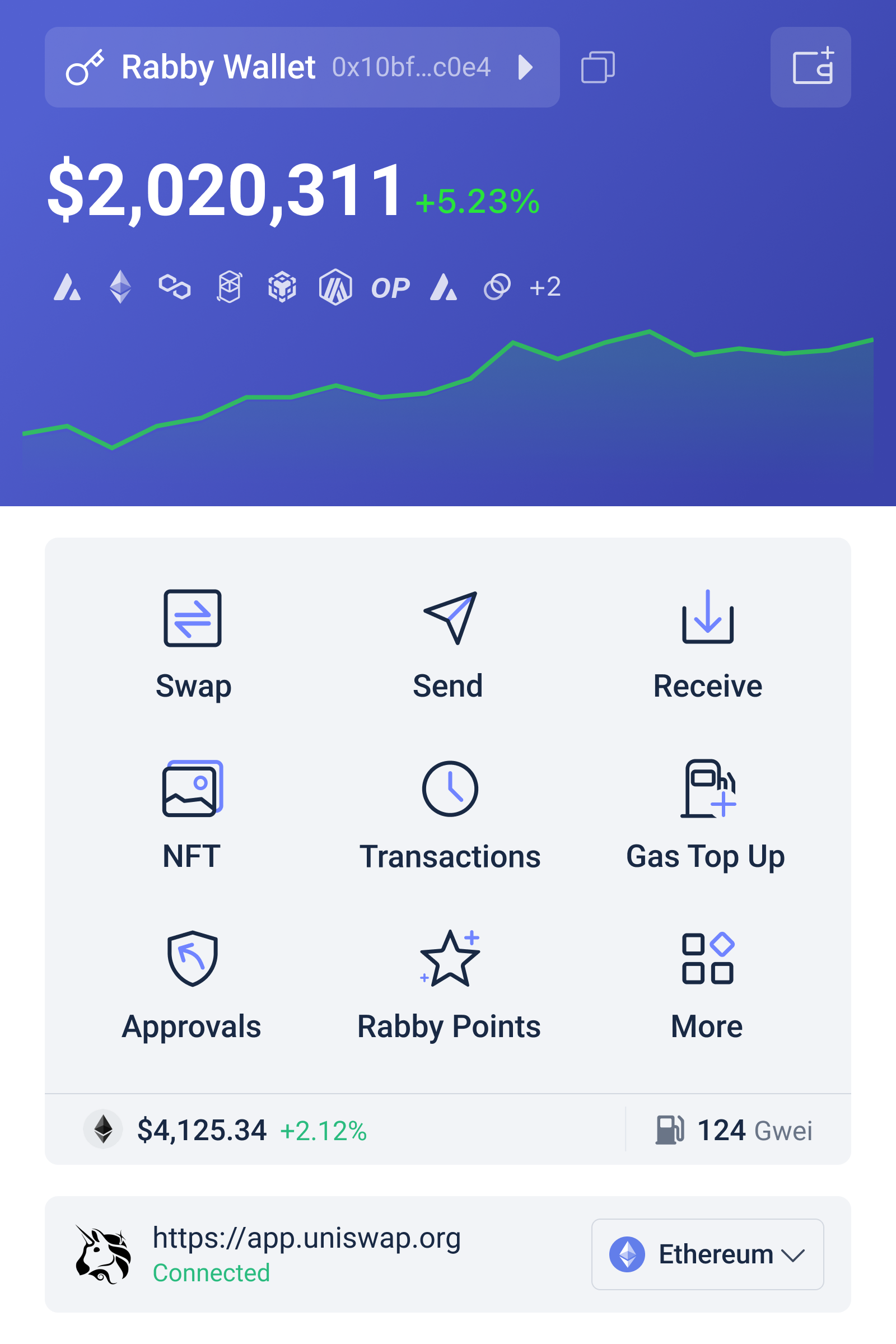
If you want to follow where I landed, check out rabby wallet—it’s built around simulation-first flows and granular controls that made my life easier during cross-chain tests.
I’m biased, sure, but after a few close calls that could have cost real money, having that tool in my toolkit felt like a no-brainer.
Hmm, let’s be real—
No tool is perfect and you still need operational disciplines like small test transactions, hardware-backed keys for big moves, and a habit of reviewing call traces when something looks odd.
On the other hand, if your wallet hides simulation behind an optional toggle or lacks forked-state previews, you are taking on avoidable risk.
There are edge cases: MEV manipulation, private mempool behavior, and oracle feed timing that even the best simulators can’t fully anticipate, so remain vigilant.
But simulation narrows the uncertainty and transforms gut feelings into evidence, which is huge when money is at stake.
Whoa—closing with a concrete practice.
Before any complex swap or contract call, do these three things: simulate with forked mainnet state, review the call trace for unexpected transfers, and verify approvals for each token involved.
Also, when bridging, break the flow into steps and simulate each hop individually if the tool allows it, because intermediate failures are common and expensive.
Initially I thought I could eyeball trust on the go, but then I learned the hard way that simulations catch subtle, pernicious issues that you only notice after the fact otherwise.
My final takeaway is simple: treat transaction simulation like a seatbelt—uncomfortable? maybe. Worth it? absolutely.
Practical FAQ
Here are quick answers to questions I keep getting when I talk about simulation and multi-chain wallets.
FAQ
Why not just rely on explorer previews?
Explorers typically show executed transactions after the fact or provide non-deterministic estimates; a wallet-integrated simulator that can fork state or call an archive node gives you actionable previews before you sign.
Can simulation stop MEV or frontrunning?
No, simulation cannot prevent mempool-level attacks by itself, though it can reveal patterns—like if a swap route is likely to be sandwiched—so you can adjust slippage or gas strategy before executing.
Is simulation useful for everyday users or only for power traders?
Everyday users benefit: simulations catch accidental approvals and hidden transfers that would otherwise cost novices dearly; power users get deeper trace insights for composable positions and cross-chain orchestration.
